


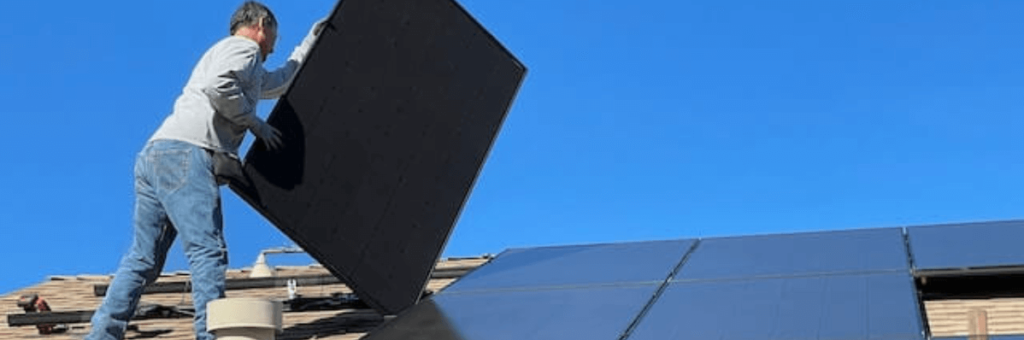
Sometimes, when we work at height, we think we are doing it right and running no risk, but in most cases that is not so.
Work at Height
Before going into the types of accidents in work at height, let’s define what it is.
Work at height refers to any activity performed at a height of more than two meters above ground level, where there is a risk of falling and which can endanger the worker’s life.
To perform work at height, workers must receive specific safety training and be provided with appropriate personal protective equipment, such as harnesses, helmets, carabiners, lanyards, and more.
It is also essential that every work-at-height procedure include preventive measures for work at height and risk containment, such as the installation of safety nets, edge protection guardrails or lifelines.
Examples of Work at Height
Work at height covers a wide range of possibilities, and sometimes we are not aware that a person working more than two meters up is at risk of falling.
For example, when we hire a painter or electrician to fix something at home, most of the time they do not wear PPE or use safety systems, and we are not aware of the risk this involves.
Because we are used to this kind of work, we think it is normal that the stepladder being used has no safety features, or that the worker does not put on a harness or safety helmet.
Other types of work at height include maintaining telecommunications towers, cleaning windows at height, repairing roofs, installing solar panels, and others.
On these occasions, since the work is done for companies, it is more common for them to follow the Occupational Risk Prevention law and for workers to use the necessary PPE and safety solutions.

Types of Accidents in Work at Height
Accidents in work at height are injuries or physical harm that can occur when working at a certain height above the ground or a surface. Some of the most common accidents in this type of work are the following:
Falls
This is the most common type of accident in work at height. They can occur when a person loses their balance, slips, trips, or loses concentration and falls to the ground.
Impacts
Whenever heavy tools or machinery are used at height, there is a risk of blows to the head, arms, or legs.
Injuries from Sudden Movements
When a person works at height, sudden movements can cause injuries to the spine or muscles.
Electrocution
This is one of the most dangerous risks in work at height involving electrical power. Workers performing tasks near power lines must take appropriate safety measures to avoid an electric shock.

Fall-from-Height Accidents
As mentioned above, workplace accidents caused by falls from height are the most frequent type and occur when a person falls while working more than two meters above the ground.
Some of the most common causes of falls from height are:
- Working on scaffolding, platforms, or ladders
- Lack of safety guardrails or edge protection
- Incorrect use of personal protective equipment
- Poor maintenance of facilities
- Slippery or unstable surfaces
- Inadequate lighting
- Adverse weather conditions
The consequences of falls from height can be serious and even fatal. Some of the most common injuries include fractures, bruises, head trauma, and spinal cord injuries.
It is important to stress that work at height is considered a high-risk activity and must be approached with seriousness and responsibility, to prevent workplace accidents and guarantee the safety and health of workers.