


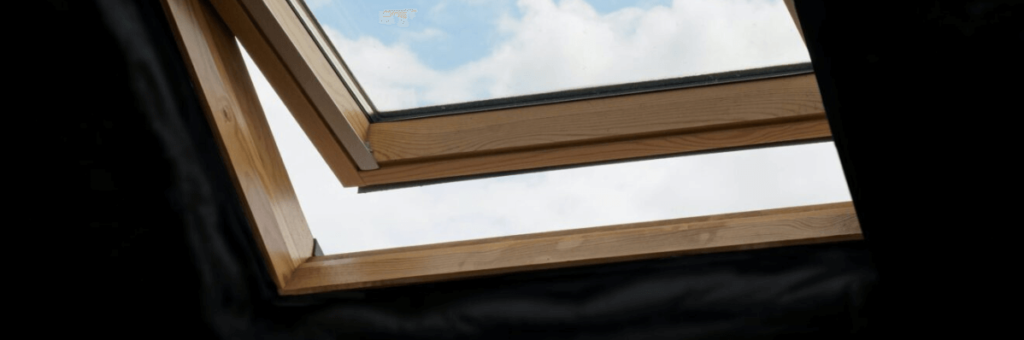
As we have discussed on other occasions, there are ways to protect against the risk of falling through roofs fitted with skylights and thereby prevent possible accidents.
In the following post, we will look at what to do when we need to create access and enable passage over the different types of skylights without creating a risk.
We need to distinguish between systems. On one hand, we have the PIGNUS safety systems, designed to provide collective protection against the risk of falling or falling through, but these systems are not designed to be walked on.
So we ask ourselves the following: what happens when I need to reach an area of the roof and a skylight blocks the way?
Access to a Roof with Skylights
There are times when it becomes necessary to cross an area fitted with skylights, whether to:
- Create access routes that allow movement across the roof and make it easier to reach different areas
- Carry out the necessary maintenance on the elements found on the roof
- Protect the skylights themselves
In these cases, we will need to install grating or aluminum walkways that make passage easier and allow specific routes to be designed.
These routes are designed to provide roofs with access to the points where maintenance work is usually carried out, such as access to machinery, cooling rooms, antennas, air conditioning units, etc.
If a skylight crosses our path along the route, we need a system that lets us continue without stepping on it, since doing so would break it and cause a fall.
The purpose of these walkways is to create an elevated passage over the skylight and make crossing easier. There are various installations depending on the requirements of the roofs themselves.
Types of Installations Over Skylights
One of the most common installations for these systems is anchoring to the surface of the roofs themselves. For this, we must pay special attention to the fixings and make sure they are perfectly waterproofed.
But not all roofs allow this type of installation. It is easy to run into situations where no anchoring element can be fixed to them, whether because of their design or because the walkway is only needed for occasional use.
For example, annual maintenance to inspect installed equipment, after which the system is no longer needed on a continuous basis, to avoid overloading the roofs.
In those cases, the solution would be a counterweighted walkway, since it requires no fixings of any kind on the surface where it will be installed.
There are also situations where we find domed skylights or roof domes. In these cases we can create those access routes, but instead of using these grating or aluminum walkways, we will install crossovers to get past the obstacle.

A very important point to consider in the design of these safety systems is that, if the skylights are not protected against the risk of falling through, we must fit them with guardrails. In addition, the user must wear the appropriate PPE to prevent a fall, such as safety harnesses and personal fall arrest systems.
Regulations
Like any other safety system, it is governed by applicable standards. In this case, the design and manufacturing criteria are set out in UNE-EN ISO 14122-2 Safety of machinery. Permanent means of access to machinery. Part 2: Working platforms and walkways. (ISO 14122-2:2016).
It is also important to have the work procedures for these systems implemented within the company’s occupational risk prevention plan.
Finally, always keep all the documentation relating to the walkways, such as certifications, declarations of conformity and their corresponding technical justifications.