


In this post we will explain, clearly and simply, which aspects must be considered to determine the most suitable lifeline system for the project at hand, whether it is work on wind turbines or other structures at height, taking into account factors such as the type of work, the environment, and the number of users.
Why Is It Important to Choose the Right Lifeline System? What Are the Risks of Not Doing So?
The first question we must ask is what type of lifeline we need; using a permanent lifeline system is not the same as using a temporary one.
What does this choice depend on? Mainly, it depends on how often the system will be used, that is, whether the fall protection system will be used regularly or continuously. For example, whether for access for maintenance or repair of an existing installation on the roof of an industrial building (in this case a permanent lifeline system is recommended), or whether, on the contrary, we have no repeated need for it and its use will be more occasional (a temporary system is recommended).
Therefore, a permanent lifeline system offers the following advantages over a temporary one:
- Availability: since the installation is permanently mounted, it is always available for use and no time is lost getting to the work area.
- Maintenance and inspections: the fact that the system is permanently mounted allows maintenance and/or inspection to be carried out at any time, ensuring the safety of the system.
- Suitability of the installation: once installed and verified, the system is correctly adjusted, and a single check at the end of assembly is sufficient. After that, only the maintenance indicated by the manufacturer is needed. A temporary system, on the other hand, must be installed and verified every time it is used.
- Service life: in principle, and without taking into account the wide variety of manufacturers of permanent or temporary systems, a fixed or permanent system has a longer service life, regardless of use, than a temporary system.
- Number of users: this is also an important differentiating factor between a permanent and a temporary system. Under current regulations, permanent lifeline systems can be designed for as many users as required, whereas temporary systems are much more limited, and systems for a maximum of two users are common on the market.
And what are the drawbacks of a permanent lifeline system compared to a temporary one? Mainly cost, versatility, and the qualifications required for installation.
In general, temporary lifeline systems tend to be cheaper to install than permanent systems. They also adapt better to the requirements of each job, since they are set up for that specific job. This makes it possible to get around obstacles, allowing workers to travel by the most suitable route to reach the area where they need to work.
On the other hand, although a permanent system can be designed for most possible jobs, it will not always fit the needs of the project, and that lack of fit will entail risks to the safety and health of the workers who use it.
Another drawback of permanent lifeline systems is that their installation must be performed by qualified personnel with specific training provided by the manufacturer. A temporary system, by contrast, comes with an instruction manual and, as long as that installation manual is followed rigorously, can be set up by anyone, with no requirement for specific training or experience.
This means that temporary systems present a higher risk than permanent systems: since no qualification is required of the installer, the installation of the system depends exclusively on the worker’s meticulousness and skill, with no third party to verify or check that it was installed correctly.
As we know, in risk prevention the human factor is one of the main factors in the appearance of risks and therefore the likelihood of accidents, not to mention the legal liability assumed by the installer, since the response of the installed lifeline system to a fall depends almost entirely on the quality of the installation. For these reasons, our technical department recommends that the installation of any lifeline system, permanent or temporary, always be carried out by a specialized company.
What Technical Aspects Should Be Assessed Before Choosing a Lifeline?
In addition to the type of work, another important factor is the environment where the system is to be installed. When the environment is exposed to difficult weather conditions such as rain, snow, cold, heat, or a corrosive atmosphere, a permanent system will perform better than a temporary one.
If, on the other hand, the environment is difficult to access, such as a confined space or a roof with several changes in height, a temporary system can be better adapted to the space or the characteristics of the environment.
Based on all the factors described above, we can decide which system best suits our needs, bearing in mind that the better the chosen type of system fits the requirements of our project, the greater the assurance that the work will be done safely and without risk to the system’s users.
What Types of Lifelines Exist and Which Best Suits Each Need?
As we have mentioned in previous blog articles, a lifeline system can be classified in several ways, including:
- By configuration: vertical or horizontal
Horizontal lifelines are those installed on horizontal surfaces, such as roofs, platforms, or flat structures, allowing the user to move from side to side along the line.
Vertical lifelines are used in situations where users must climb or descend safely, such as in tanks, silos, telecommunications towers, etc.
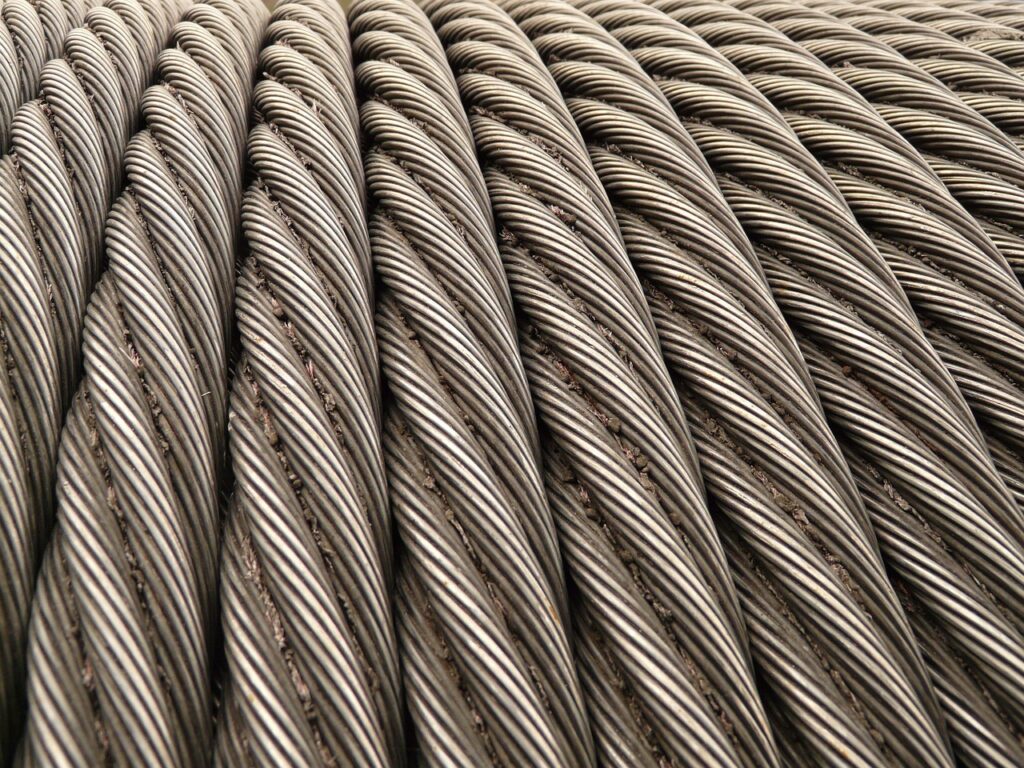
Flexible lifelines are made of ropes or cables tensioned between anchors, offering users greater flexibility and mobility, which is ideal in situations where various obstacles must be bypassed. Rigid lifelines consist of rigid bars or rails that provide a clear guide and more controlled restriction of movement, making them suitable for vertical access to silos or tanks, etc.
Which Standards Must Lifelines Comply With?
In summary, the current standards that apply to lifeline systems for work at height are:
The standard UNE-EN 795 sets out the technical requirements for the different anchor systems used in fall protection.
- EN 795-B for temporary lines.
- EN 795-C for permanent horizontal lines, steel cable (flexible) and temporary textile lines
- EN 795-D for horizontal rail (rigid) lines
In addition, the EN 353 standard sets out the technical requirements for lifelines used in vertical applications, and is divided into two categories:
If you are interested in lifeline regulations, you can keep looking for information in our articles.
We hope this post gives you the tools you need to determine which lifeline system you need to do your work with complete safety; in any case, if you have any questions, please contact our technical department and we will be happy to help.