


In this article, we will take an in-depth look at crossovers, their manufacturing materials, and the available non-slip tread and landing solutions, all within the framework of the UNE EN ISO 14122 standard.
In industrial environments, roofs, and machine access areas, it is common to encounter situations where we need to get past an obstacle such as pipes, electrical grilles, ducts, and so on. To create continuity and a safe passage where operators face no risk when stepping over these elements, we use crossovers.
What Are Crossovers?
Crossovers are structures designed and manufactured to bridge differences in height or, alternatively, to get past the obstacles mentioned above, creating a safe space for users.
The standard that governs crossovers is UNE EN ISO 14122, which sets out the guidelines and criteria needed for their design and manufacture. But what types of materials are used to manufacture these systems?
In this post, we will look at the variety of materials and their purposes.
Manufacturing Materials for Crossovers
As we have mentioned in other posts, an important point to consider before defining any type of installation is the prior data collection, also called the risk assessment.
During this data collection, we check the dimensions of the obstacle to be bridged so we can define the dimensions of the system to be manufactured. We also observe the environment where it will be installed, which helps us take into account the type of material and the non-slip surface needed for its manufacture.
These safety systems are generally made up of flights of steps, along with a landing and safety guardrails when the height exceeds 500 mm. Each of these elements must have a non-slip level that ensures the systems are safe.
This helps us approach manufacturing from two relevant aspects:
- Type of material, depending on the environment in which it will be installed.
- Shape of the material, depending on the work performed in that specific environment.
Shapes of the Materials Used for Crossovers
Regarding the shapes in which we can manufacture crossovers, we will focus on the construction elements and which ones we can use.
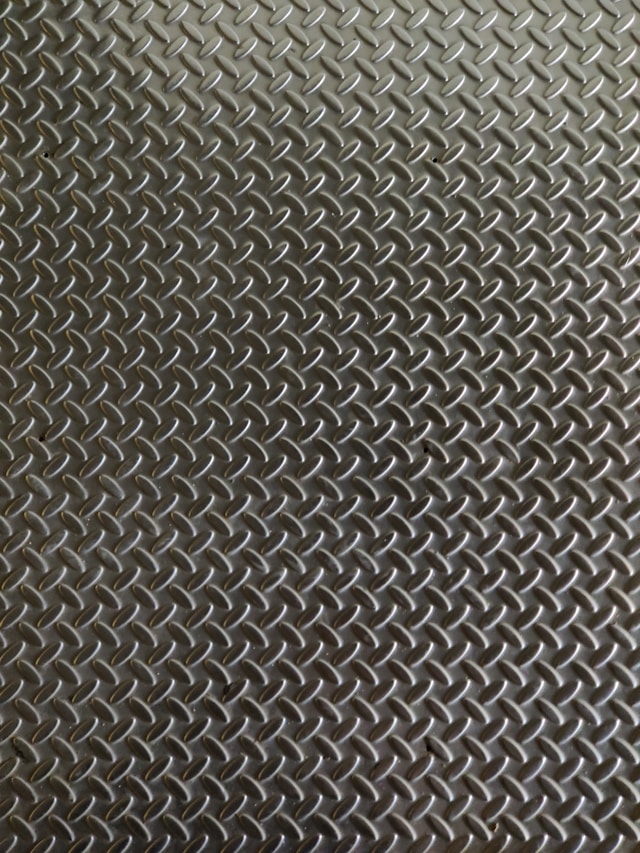
- Treads: These elements are a very important part of these safety systems. They can be made of embossed sheet, embossed platform, or grating. The choice will depend on the degree of slip resistance we need, since a facility with no risk of slipping is not the same as one where the products made there can make personnel slip easily.
- Landings: Here we apply the same criteria as for treads; the material will depend on the environment and the required degree of slip resistance.
In both cases, we will also consider whether the installation will be indoors or outdoors exposed to the elements. This information helps us select the slip-resistance level as well as the right element for manufacturing.
Types of Materials Used for Crossovers
Another relevant aspect is the installation environment, in this case with regard to the corrosion that environment presents. We can find:
- Salt-laden environments.
- Dry climate environments.
- Rainy climate environments.
- Corrosive environments.
- Environments exposed to chemicals.
- Areas exposed to water.
In each of these environments, the type of material must be suited so that it does not suffer premature corrosion or unnecessary breakage. For this, we have the following materials:
Aluminum
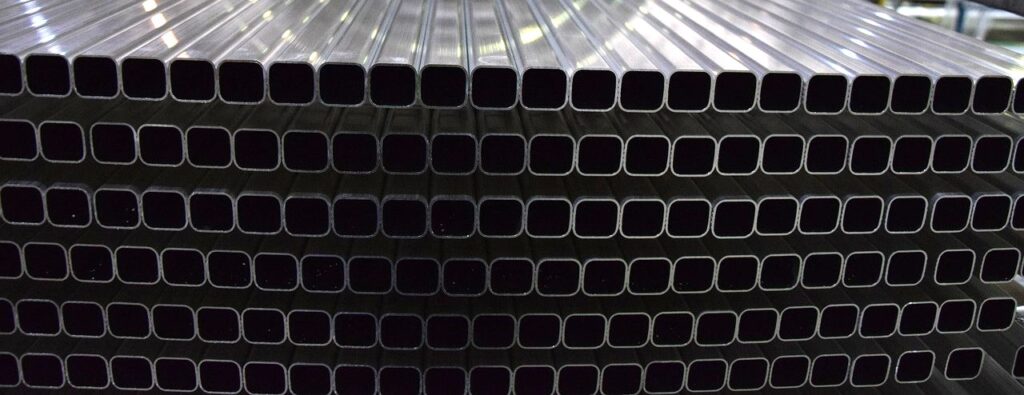
It is one of the most widely used materials for manufacturing these systems because its light weight makes it quite effective and durable without adding unnecessary weight to roofs.
Stainless Steel
This material is used in fabrications where the corrosiveness of the environment does not allow the other materials to be installed, such as in salt-laden environments.
Carbon Steel
This material offers high mechanical strength, but we must take its weight into account, and appropriate finishing treatments must be applied to prevent oxidation.

FRP
One of the most innovative materials, which thanks to its composition gives us a system that is lightweight, corrosion-resistant, and non-conductive, benefiting some industries where the other materials pose an electrical risk.
Integration and Compliance with the UNE EN ISO 14122 Standard
Applying the UNE EN ISO 14122 standard in the design and manufacture of crossovers is a differentiating factor that guarantees the quality and safety of the final product. This standard sets rigorous parameters regarding:
- Dimensions and ergonomics: The dimensions of the treads, intermediate heights, and anchors must be defined to ensure safe and comfortable circulation for users.
- Mechanical strength: The standard specifies load and strength tests that materials and fastening systems must pass, guaranteeing structural integrity even in extreme conditions.
- Non-slip properties: Minimum friction coefficients are required on contact surfaces, which makes it necessary to use specific treatments or textures on the treads or landings.
- Installation and maintenance: The standard also covers aspects related to installation and maintenance, ensuring that safety systems can be inspected and maintained simply and effectively.
Integrating these guidelines into the design and manufacturing process not only makes it possible to meet legal requirements, but also improves competitiveness in the market by offering safe, durable solutions adapted to each customer’s specific needs.
Conclusions
As we can see, there are different combinations of materials in both shape and composition, and each one adapts to the various situations we can find in industry.
The trend will always be toward structures that are lighter, corrosion-resistant, and easy to install. To that end, we will always carry out a proper risk assessment that includes the environment and how it will affect us when choosing one type of material over another.
At Ypsos Safety, we always recommend turning to properly qualified personnel who can help and guide us toward the right choice, avoiding unnecessary risks and making our companies safer.