


Safety guardrails, as collective protection elements, play a fundamental role in preventing falls and protecting workers in elevated positions.
In this article, we take a closer look at the technical, regulatory, and practical aspects of safety guardrails, from their design and classification to their installation, maintenance, and regulatory compliance. We also review the most commonly used types of safety guardrails (fixed, counterweighted, and folding) to help you choose the most suitable one for your project.
UNE EN 14122-3 Standard
Compliance with specific regulations and standards is crucial to ensure the effectiveness of safety guardrails in protecting workers at elevated workstations.
The EN 14122-3 standard sets out the technical requirements that guardrails must meet to ensure their structural strength, stability, and load capacity.
In addition, regulations such as Law 31/1995 on Occupational Health and Safety and Royal Decree 1627/1997 on Safety in Construction Sites provide clear guidelines on collective protection for work at height, prioritizing worker safety and establishing the obligation to adopt collective measures.
Types of Safety Guardrails
Safety guardrails come in a variety of types and designs on the market, each adapted to meet specific needs in different work environments.
The most common variants include:
Fixed Guardrails
Characterized by their permanent installation and structural strength. Made from materials such as stainless steel or aluminum, they provide continuous protection in elevated areas such as terraces, roofs, and work platforms. Their robust, durable design makes them a reliable choice for industrial and commercial environments.
Counterweighted Guardrails
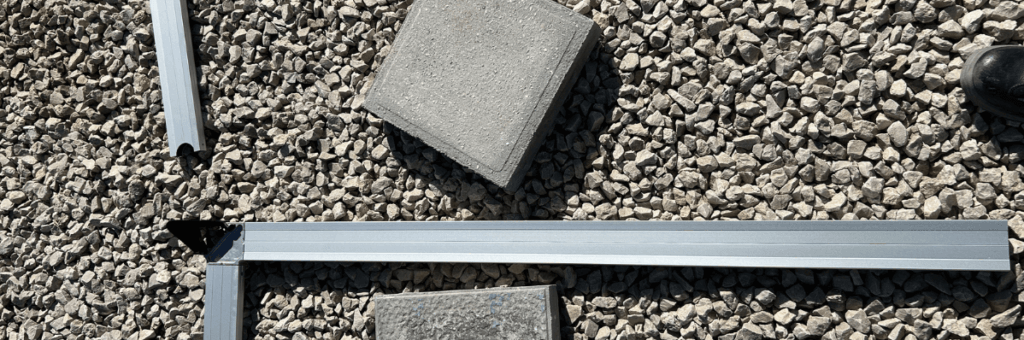
Ideal for settings where the structure cannot be drilled, counterweighted guardrails rely on counterweights for stability. Their modular, self-supporting design makes them a versatile, easy-to-install option for industrial buildings and commercial buildings. Their ability to adapt to different configurations also makes them highly flexible and functional.
Folding Guardrails
These guardrails offer the flexibility of folding down when not in use, allowing free access to the protected area. Their folding mechanism makes them ideal for spaces where the protection needs to be opened temporarily, making it easier to move equipment or materials when necessary. Their ergonomic, practical design makes them a versatile solution for dynamic environments.
Safety Guardrail Maintenance
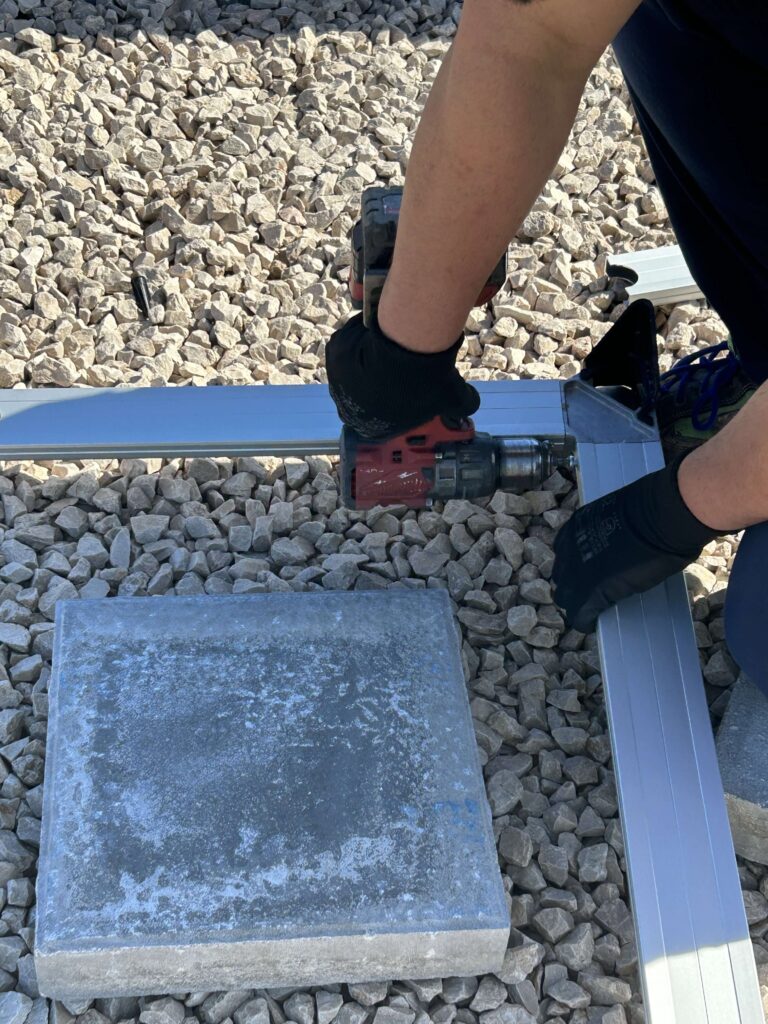
Regular, preventive maintenance of safety guardrails is essential to ensure they work properly and to extend their service life. Periodic visual inspections, load tests, and structural integrity checks are recommended practices for identifying and correcting possible defects or damage.
If any anomaly is detected, it is important to carry out the necessary repairs in accordance with the manufacturer’s specifications.
Innovation and Technology in Safety Guardrails
Advances in the design and manufacture of safety guardrails have made it possible to develop more efficient and versatile solutions for protecting workers at height.
The use of high-strength materials, innovative anchoring systems, and advanced manufacturing technologies has improved the quality and durability of guardrails, ensuring effective, long-lasting protection in demanding work environments.
In addition, adapting guardrails to the specific needs of each project has allowed for greater customization and effectiveness in implementing collective protection measures.
Conclusion
In short, safety guardrails play a crucial role in protecting workers who perform tasks at height, providing effective, long-lasting collective protection.
By complying with current regulations, selecting the right type of guardrail, carrying out rigorous preventive maintenance, and promoting a safety culture at work, a safe and protected work environment is ensured for everyone involved.
In addition, effective communication among employers, workers, and other parties is essential to foster good practices and ensure compliance with safety regulations for work at height.