


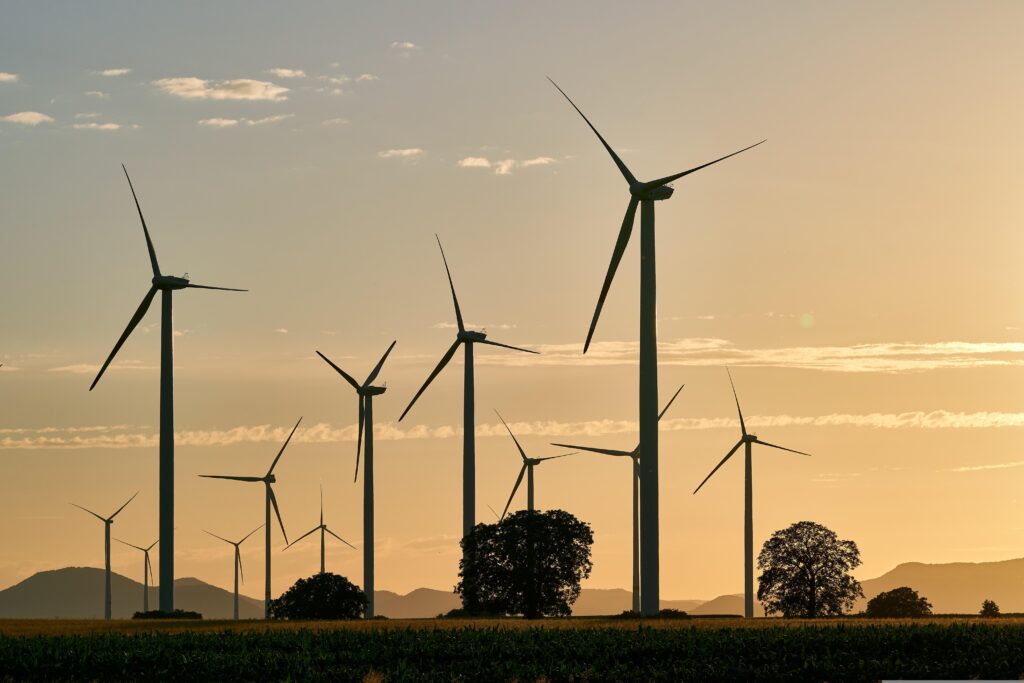
Wind energy has grown significantly in recent years, driving the construction and maintenance of wind turbines worldwide. However, there are major challenges from an occupational health and safety standpoint. Wind turbine safety is very important to protect workers who perform assembly, maintenance or repair tasks on these very tall structures, activities that involve work at height in demanding conditions and with specific risks.
In this guide we will analyze the main risks and how to address them, taking into account the specific training and regulations in this sector.
Specific Risks of Wind Turbine Work
Wind turbines are immense structures that can reach heights of between 85 and 120 meters, where working conditions create specific risks that require rigorous preventive management.
The main risks we can highlight are:
- Falls from height, when accessing the tower or maintaining the blades.
- Falling objects that can strike other workers at the base.
- Confined spaces and hard-to-reach areas inside the structure.
- Electrical hazards, since it is a power generation and distribution system.
- Physical fatigue during long tasks or from climbing vertical ladders.
- Complex rescue operations, especially when incidents occur in the highest areas.
Identifying these risks is the first step toward taking appropriate measures and reducing risks in this sector.
Wind Turbine Safety Measures
Before performing any work, in addition to correctly choosing the protective equipment to be used, a risk assessment must be carried out, good weather conditions must be ensured, and workers must be well trained and qualified for the job.
Fall Arrest Systems and Vertical Lifelines
Fall arrest systems are one of the most important elements for protecting and ensuring the safety of wind technicians.
One of the most common fall arrest systems found in the wind sector is the vertical lifelines.
A vertical lifeline is a fall arrest device used as part of a system that ensures the safety of workers performing tasks at height.
The main purpose of a vertical lifeline is to prevent falls and provide a secure anchor point so that workers can tie off while performing their work at great heights.
In addition, periodic inspections of all protection systems are essential to ensure they are in good condition and comply with current regulations.
Personal Protective Equipment
Personal Protective Equipment is the worker’s main line of defense against risks that may threaten their safety or health in the workplace and that could not be eliminated through collective protection.
They are mainly classified into three categories:
- Category 1: minor risks, small mechanical impacts, solar radiation, such as gloves, glasses or the reflective vest.
- Category 2: serious risks, such as helmets, crampons, safety footwear, etc.
- Category 3: major or fatal risks; they include harnesses, carabiners or full chemical protection suits.
PPE must be certified, kept in good condition and used following the manufacturer’s instructions.
Regulations Applicable to Wind Turbine Work
Wind turbine safety in Spain is governed by various regulations related to work at height and occupational health and safety.
We may encounter:
- Law 31/1995 on Occupational Health and Safety.
- Royal Decree 773/1997 on the use of PPE.
- Royal Decree 2177/2004, on the use of work equipment for temporary work at height.
- The UNE-EN standards that apply to the various fall arrest systems, harnesses, anchors and lifelines.
In addition to the regulations, internal procedures and the manufacturers’ specific recommendations must be followed to ensure proper use.
Required Training and Certifications
Work on wind turbines requires very specific knowledge, and it is important to have good training in:
- Work at height
- Use and inspection of fall arrest systems
- Rescue and evacuation on wind turbines
- Electrical hazards
- Safe handling of tools and equipment
- Emergency procedures.
The official training required to work on wind turbines is the GWO (Global Wind Organisation) certification, which attests to possessing the essential knowledge to prevent risks and act in emergencies.
Conclusion
Safety in wind turbine rope access work is essential for carrying out the assembly, maintenance and repair of these structures safely. This requires specific training and the use of Personal Protective Equipment, which must be in good condition and comply with current regulations.