


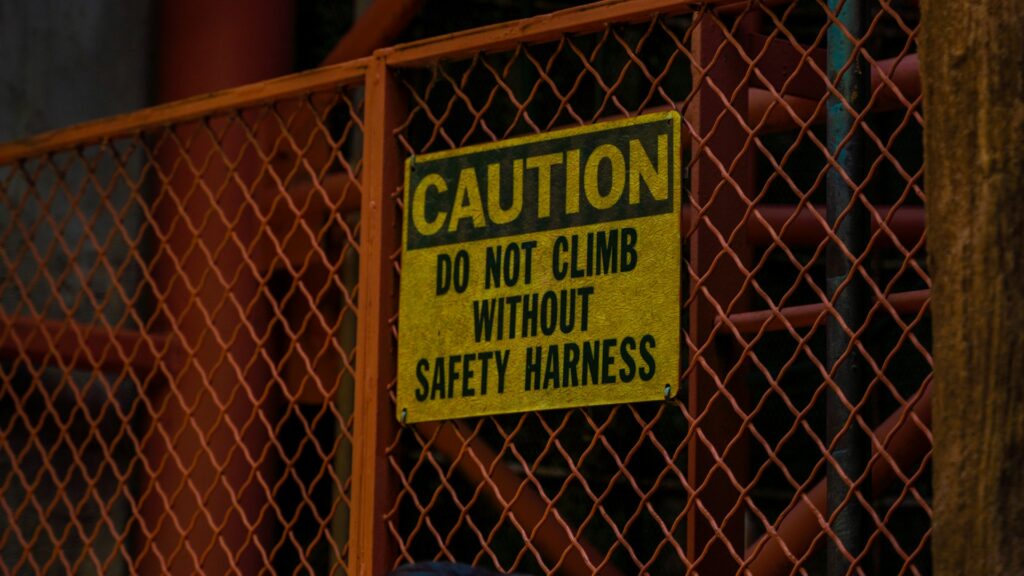
Falls from height remain one of the leading causes of workplace accidents in Spain (in 2024, more than 102,000 accidents during working hours were due to this cause, a figure that represents 18.82% of the total), and this is even more significant in sectors such as construction, industry, and renovation.
As manufacturers of fall arrest systems and work at height systems, we want to help prevent accidents and share the keys to avoiding them.
Below, we detail the five main causes and how to address them effectively.
Lack of Planning and Risk Assessment
Not having an assessment that properly identifies the risks, and therefore not having adequate planning, is one of the main causes of accidents at height, since in many cases people tend to improvise, increasing the risk of falling.
To prevent this, we should:
- Make sure the risk assessment is complete
- Establish and follow safe work procedures
- Have designated safety officers
Inadequate PPE
We may be using inadequate PPE for two reasons: it is not what we need to do the job safely, or it is not fit for use because it has some defect that we have not noticed. As a result, in the event of a fall, the personal protective equipment does not work properly.
How can we avoid it?
- Using PPE suited to the job to be done; for example, a safety harness must be adapted to the worker and the task to be performed
- Carrying out periodic inspections: both those indicated by the manufacturer and visual checks before each use
- Receiving training on how to use PPE correctly and which type is right for each work at height task
Fragile or Unstable Surfaces
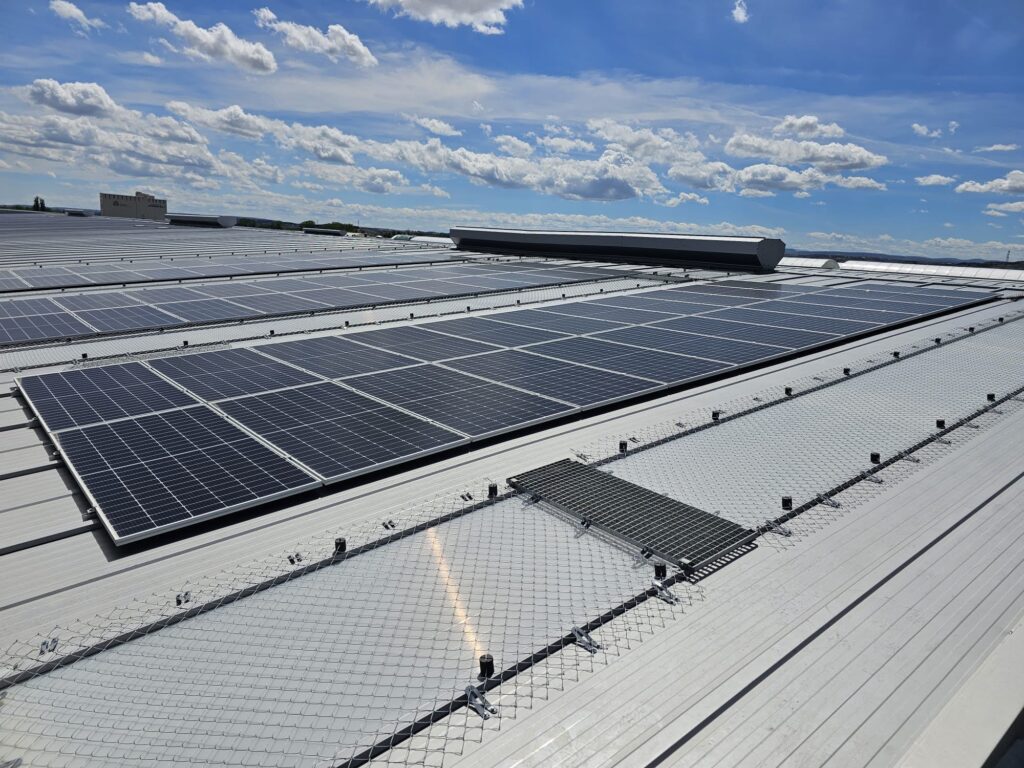
In a country like ours, with so many hours of sunlight throughout the year, more and more skylights or translucent panels are being installed on roofs. This means the roofs where they are now located have more fragile surfaces that can lead to falls.
To avoid this, we must:
- Check the strength of roofs before working on them
- Install protective measures to prevent falling through them; in the case of translucent panels, safety nets and/or grating walkways can be installed
- Use aerial work platforms for maintenance instead of walking on the roof
Adverse Weather Conditions
Work at height is, in the vast majority of cases, performed outdoors, so factors such as rain, wind, ice, or even heat can affect workers’ stability and the proper operation of the equipment.
This means that when carrying out outdoor tasks, we need to take into account:
- Protocols that interrupt or suspend work when weather conditions pose a risk
- PPE, clothing, and footwear suited to the task and the climate, for example when temperatures are below freezing
- Continuously checking the weather forecast so we can act accordingly
Lack of Training
The lack of specific training in work at height is one of the main causes of accidents. Many workers are unaware of the risks and the necessary preventive measures to avoid falls , which means more accidents occur that could have been avoided.
Prevention in these cases is simple:
- Provide theoretical and practical training on work at height safety
- Run periodic drills and training sessions
- Foster a culture of safety and ongoing awareness
Conclusions
Working at height involves risks, but the truth is that most accidents can be avoided with planning, good equipment, and proper training.
Every fall prevented is a life protected, a family at ease, and a team that keeps working safely.
That is why it is not just about complying with regulations, but about building a true safety culture, where everyone knows what to do, how to do it, and has the necessary tools to do it well. To achieve this, we recommend relying on the right fall arrest systems and professionals.