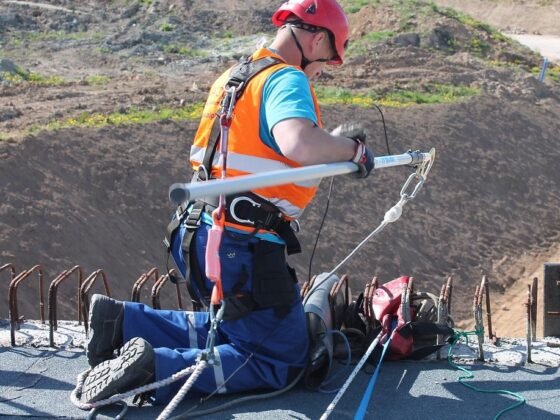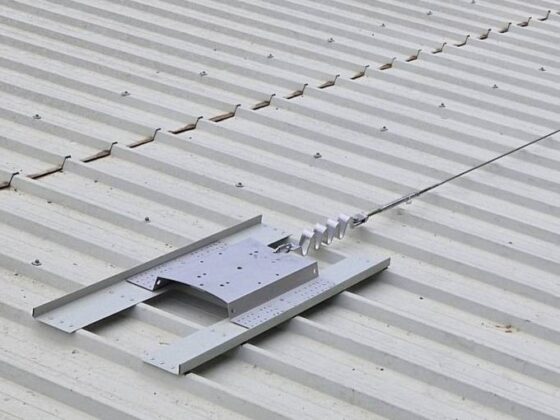
-
How to Install a Lifeline Step by Step
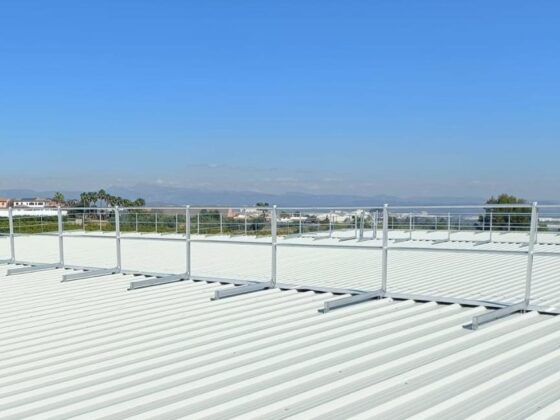
Complete guide to installing a horizontal and vertical lifeline: anchors, surfaces, procedure, and certificate. ✔️ Everything the regulations require.
Complete guide to installing a horizontal and vertical lifeline: anchors, surfaces, procedure, and certificate. ✔️ Everything the regulations require.
Work at height is classified as the most dangerous occupational activity, with the highest rate of serious and, in most…
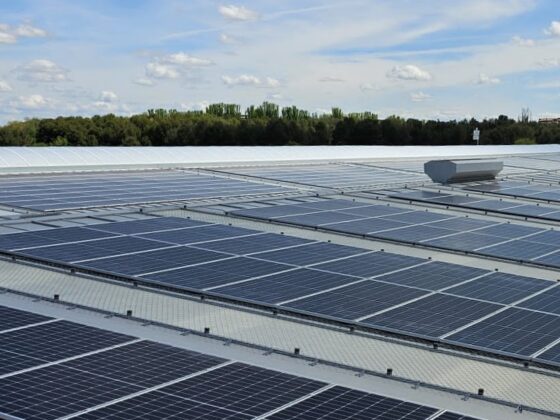
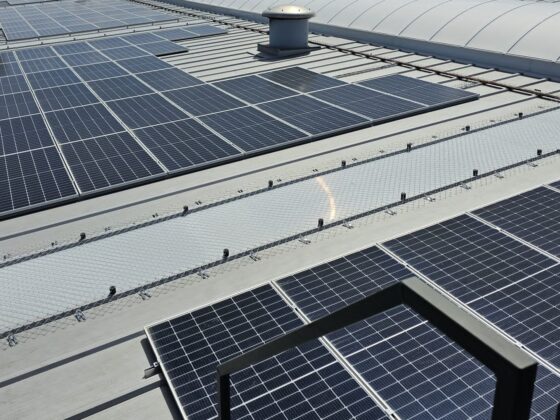
Learn about the risks of photovoltaic installations and the safety equipment for work at height you need to comply with regulations. ✅ Protect your team.
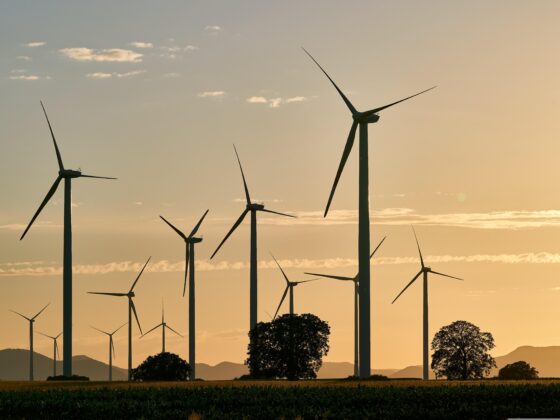
Safety in wind turbine work is essential for carrying out the assembly, maintenance and repair of these structures safely. This requires specific training and the use of Personal Protective Equipment, which must be in good condition and comply with current regulations.
Learn the essential safety measures for work at height. ✅ Collective protection, PPE, and regulations explained for industry professionals.
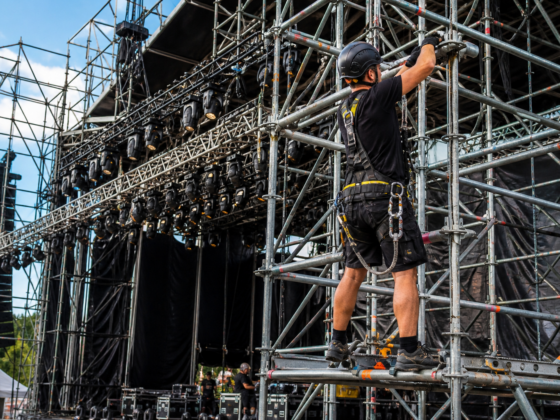
Safety in work at height at temporary events must adapt to changing environments and different circumstances. Proper planning, with an assessment of the risks we may encounter, is essential to control the hazards associated with falls from height. It also means prioritizing collective protection, ensuring the proper use of PPE, and making sure all workers are qualified to perform this work.
Differences between a one-off job and recurring maintenance. Fall arrest systems, risks, and regulations needed to ensure workplace safety.
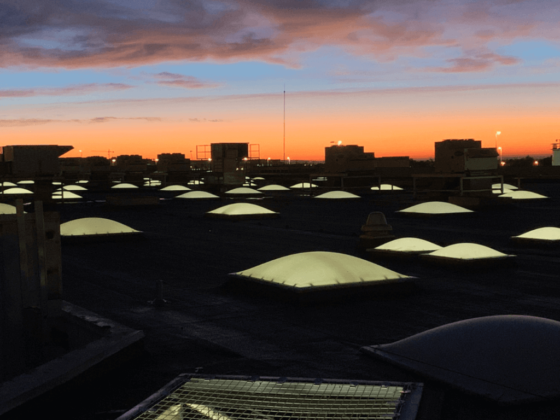
Skylights and translucent panels are increasingly common on roofs, whether on industrial buildings, offices, or even other buildings. The reason…
Safety at height is not optional, and not only because the regulations or the OHS Law require it, but because…
In work at height, and in fall arrest devices, one of the best-known elements is the energy absorber. But do…