


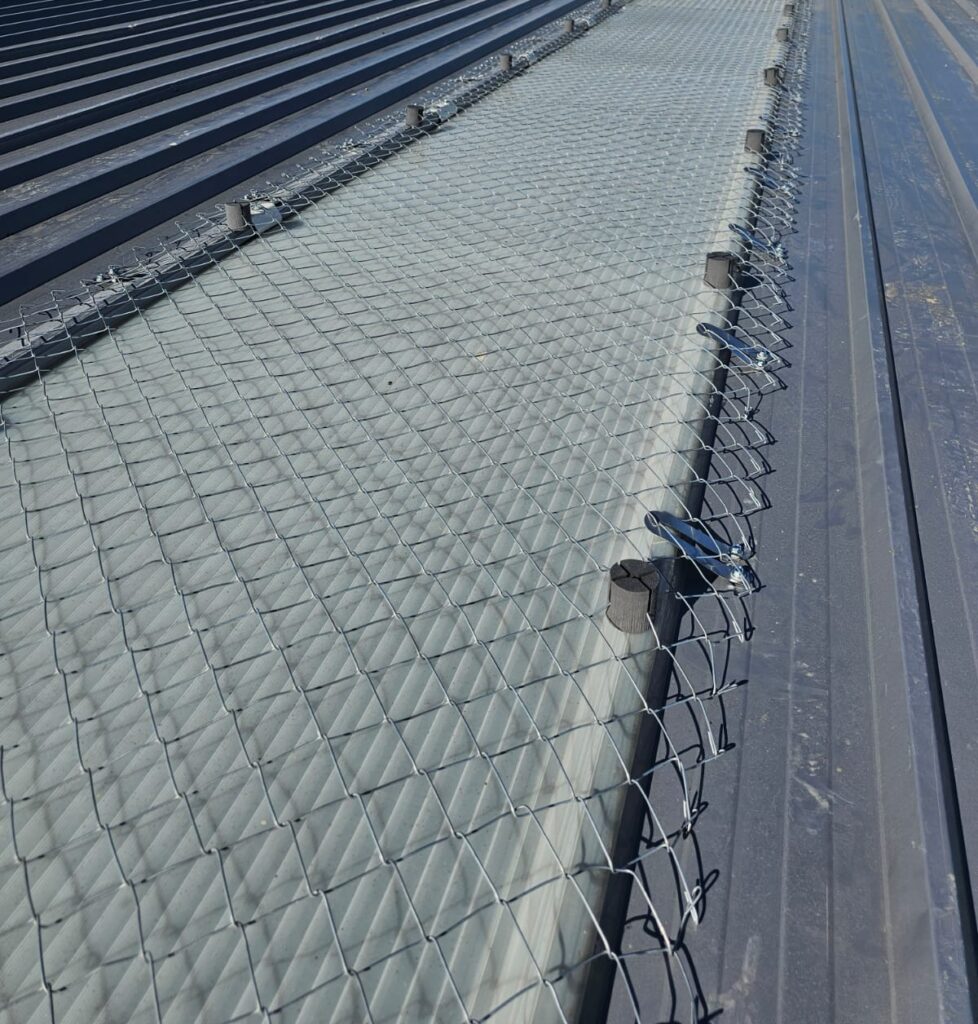
Among fall accidents during work at height, those that occur when stepping on fragile roofs such as skylights or translucent panels stand out, which is why installing safety nets is essential for protecting workers.
Keep in mind that the use of translucent panels is increasingly common because they let light into industrial buildings, factories, or any other construction, which helps reduce electricity costs and benefits the environment.
What Are the Most Common Mistakes When Installing Safety Nets?
We are going to explain the most common mistakes that can be made when installing this type of fall arrest system (safety nets) and how we can avoid them.
Not Properly Assessing the Material
One of the most frequent mistakes is not taking into account the type of material, both of the translucent panels to be covered and of the safety net we are going to use.
Skylights can be made of different materials (polycarbonate, acrylic, or glass), each with its own characteristics of flexibility, strength, and durability. This influences the choice of net material, since it must be compatible with the translucent panel we want to protect.
For example, if we have a polycarbonate skylight, which most of them are, we should use a net with greater flexibility and elasticity, like the surface it is meant to cover.
Not Taking the Maximum Weight into Account
Safety nets must meet a specific load and weight rating to perform their function properly, so calculations and tests must be carried out to ensure that, in a fall, these nets support the weight without suffering structural damage.
For example, it is important to install and work with safety nets that have been tested and comply with the applicable standards in each country.
Incorrect Installation of the Anchors
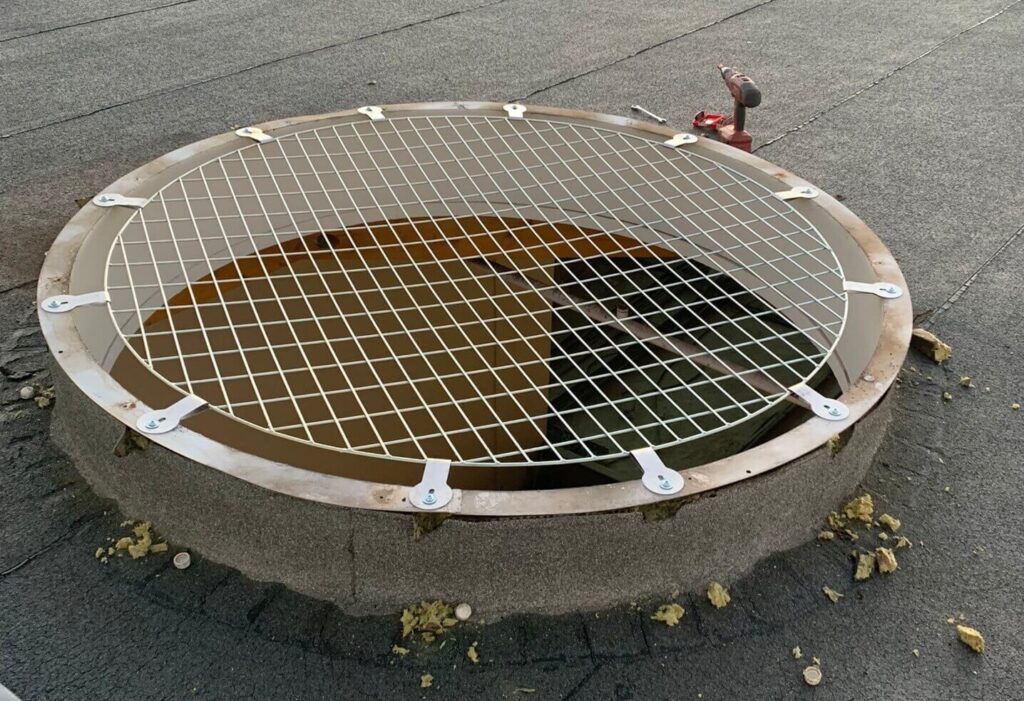
Just like the material or the maximum weight to be supported, it is essential that the anchors of the net installation are correctly placed and are the right ones.
With anchors, we can make two mistakes:
- Choosing the wrong anchor, that is, the element or part we use to anchor the net is not the one specified by the manufacturer, and therefore not the one tested for that use
- Installing them incorrectly, for example by not respecting the spacing, which results in the net not working properly in the event of a fall
For example, anchors must not be placed farther apart than the manufacturer specifies, because the net could have slack and fail to catch the worker in the event of a fall.
Poor Quality of the Net and Its Components
Safety nets, as well as their various parts, must be able to withstand being outdoors and different weather factors: heat, rain, wind, etc.
Poor net quality can compromise the system through moisture, corrosion, and the wear caused by exposure to harsh conditions.
For example, a low-quality safety net in an industrial environment can corrode and therefore have to be replaced every so often, or fail to work properly in the event of a fall.
Poor Net Adjustment
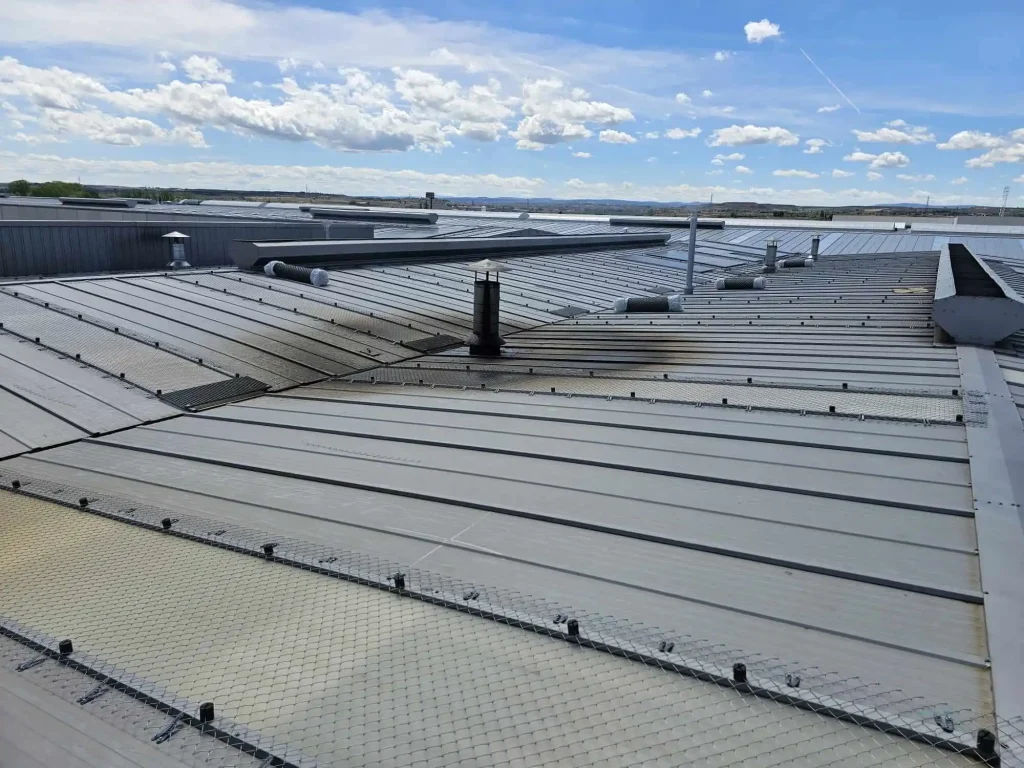
When tensioning the net, it may not be done correctly, resulting in a safety net that is either too tight or too loose.
- A safety net that is too taut can damage its own structure or the skylight it is meant to protect
- A safety net that is too loose can collapse in the event of a fall because it lacks the necessary strength
Not Taking the Technical Specifications into Account
As we said about anchors, when installing safety nets on skylights and translucent panels, the standards and the specifications provided by the net’s manufacturer must be taken into account.
This is because the manufacturer will have carried out safety tests and checks to ensure that the net, once installed, meets all standards and guarantees safety in the event of a fall.
Conclusions
Proper installation of safety nets on skylights or translucent panels is essential to ensure the safety of workers who need to access roofs.
Avoiding these common mistakes will not only protect the people near these surfaces, but will also extend the service life of the nets and the structures they are installed on.